A recent Michigan Medicine Health Lab article examines the death of NASCAR’s winningest driver, Kyle Busch, who died of sepsis in May 2026 at age 41 following a case of pneumonia. This tragic loss is a sobering reminder that sepsis can strike quickly, at any age, and that many people are not familiar with its warning signs.
In the article, Hallie Prescott, M.D., M.Sc., Professor of Internal Medicine in the Division of Pulmonary and Critical Care Medicine at Michigan Medicine and leader of the HMS Sepsis Initiative, spoke to why this kind of awareness gap persists.
“While awareness of the term sepsis has increased in recent years, it still lags behind other time-sensitive medical emergencies like heart attack and stroke,” she said.
Dr. Prescott noted that many people’s first instinct with a worsening infection is to rest it off, but warning signs like confusion, lightheadedness, weakness, shortness of breath, and minimal urine output can signal that an infection is progressing to sepsis — and call for immediate medical care.
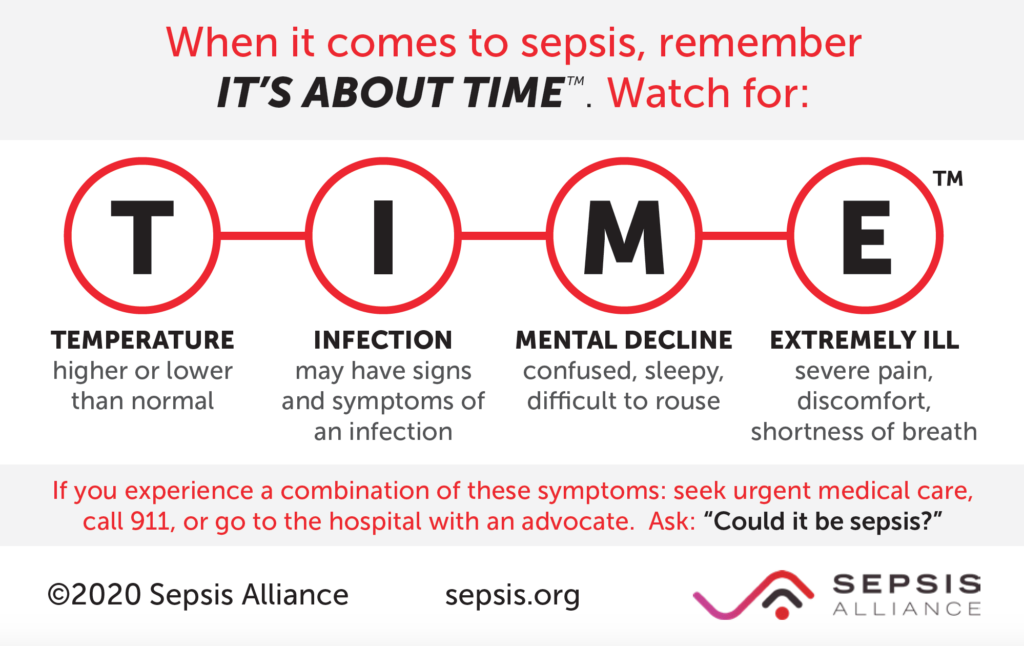
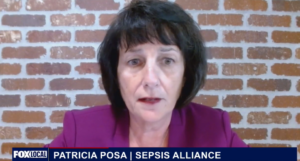
HMS Quality & Safety Program Manager Pat Posa, RN, BSN, MSA, CCRN, FAAN, echoed that message in a FOX 2 Detroit interview following Busch’s death, walking through additional signs of sepsis to watch for. These include extreme pain or discomfort, fever, clammy skin, rapid heart rate, and decreased urine output. Her advice: if you or someone you love has a worsening infection, don’t wait — ask, “Could this be sepsis?”
If this story has you wondering what to watch for, HMS’s Sepsis toolkit includes patient and family-facing resources built specifically to close this exact awareness gap. The CDC’s Get Ahead of Sepsis materials emphasize the importance of early recognition and prompt treatment, and the Sepsis Alliance Patient & Family page offers plain-language guidance on spotting symptoms early.
Our thoughts are with everyone impacted by this tragedy. Let’s honor moments like this by learning, sharing, and helping others recognize the signs before it’s too late.