HMS Joins Healthcare Leaders at Unite for Sepsis Symposium 2026 to Advance Sepsis Care Across the Continuum

HMS was honored to attend the Unite for Sepsis Symposium 2026 and take part in important conversations focused on improving outcomes for patients and families affected by sepsis.
Throughout the symposium, healthcare leaders, clinicians, researchers, survivors, health plans, quality collaboratives, and community partners came together to discuss how sepsis care can be strengthened across the full continuum—from early recognition and rapid treatment to discharge planning, home-based support, and long-term recovery.
A key highlight of the event was the session, “Aligning Systems to Improve Sepsis Outcomes,” which featured Dr. Androni Henry, Associate Chief Medical Officer at Blue Cross Blue Shield of Michigan, as a panelist. The discussion emphasized that improving sepsis outcomes requires coordinated action across the healthcare system. Hospitals, clinicians, payers, quality collaboratives, and community-based partners all play critical roles in supporting early identification, timely intervention, equitable care, and continuous learning.
Panelists underscored that sepsis is not solved by a single intervention or at one point in time. Instead, meaningful improvement depends on aligned systems that can recognize risk early, respond quickly, support evidence-based treatment, and ensure patients receive the resources they need after leaving the hospital.
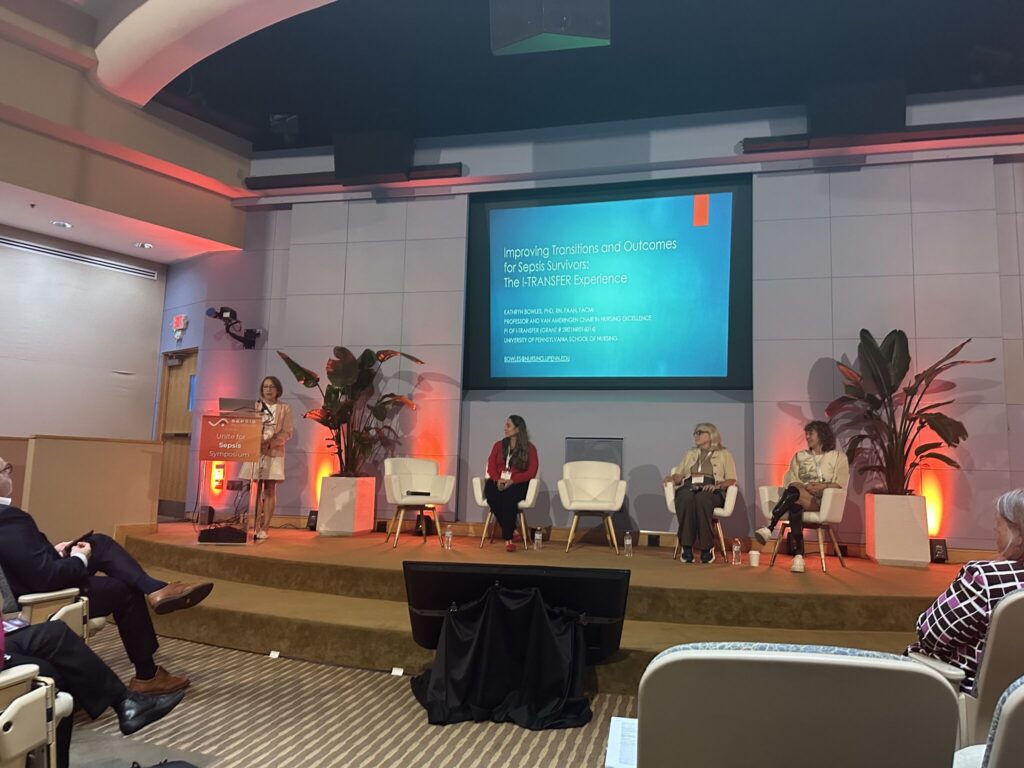
The symposium also featured a powerful panel session with sepsis survivors and nurse researcher Kathryn Bowles, PhD, RN, FAAN, FACMI, who shared her I-TRANSFER research on the critical role of post-discharge care. The discussion served as a meaningful reminder that recovery from sepsis does not end at hospital discharge. Many survivors face ongoing physical, emotional, and practical challenges, making the transition home a crucial period for support, education, monitoring, and early intervention.
Dr. Bowles’ work highlights the importance of home care nursing in identifying risks, supporting patients and families, and helping reduce avoidable readmissions. Strengthening post-discharge care, speakers noted, strengthens the entire sepsis recovery journey.
Another memorable moment came from keynote speaker Stephanie Parks Taylor, MD, MSc, whose remarks reinforced the importance of caring for patients with sepsis across the full continuum of care. Her message emphasized that sepsis care begins with early identification, rapid response, and timely treatment—but must continue well beyond the hospital stay.
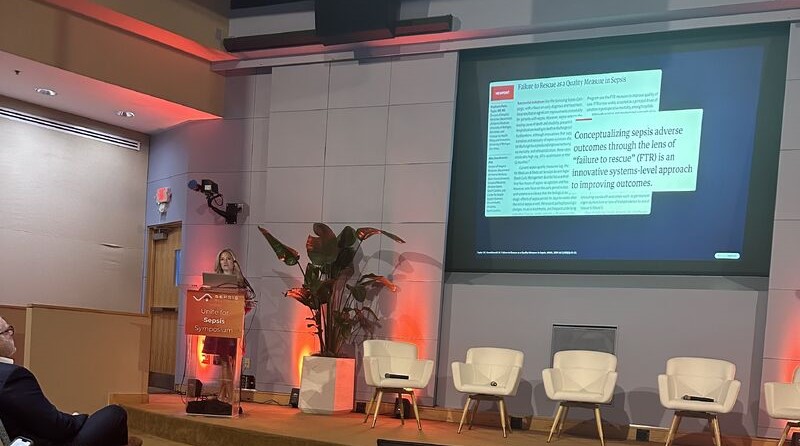
The transition home and post-discharge support are essential to recovery, reducing readmissions, and helping patients and families navigate what can be a long and difficult healing process. Drawing on a baseball analogy, Parks reminded attendees that sepsis recovery requires “staying in the game”—supporting patients through every inning and never giving up on the path to healing.
HMS left the symposium encouraged by the healthcare community’s shared commitment to driving system-level change. The conversations throughout the event reinforced the need for collaboration, equity, education, and continued innovation to improve sepsis outcomes and support patients and families at every stage of care.
HMS is grateful to the survivors who shared their lived experiences, as well as to the researchers, clinicians, health plans, and community partners working to improve sepsis awareness, treatment, recovery, and long-term support. Together, these efforts can make a meaningful difference for those affected by sepsis—both inside and beyond the hospital walls.